1. Dental Examination
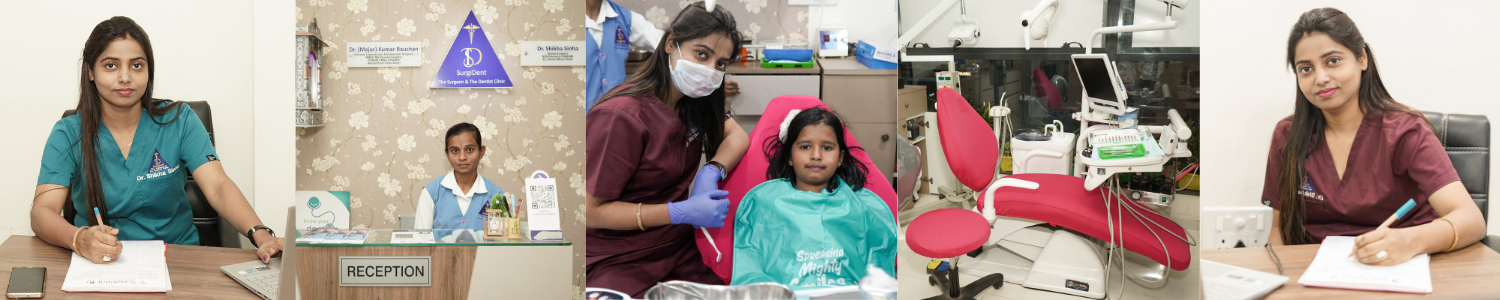
Dr. Shikha Sinha examines the affected tooth and discusses your symptoms and dental history. Dental imaging may be recommended when necessary.

Tooth pain can affect your daily routine, especially when it makes eating, drinking, or sleeping uncomfortable. Sometimes, the problem is deeper than a normal cavity and may involve the soft tissue inside the tooth. In such situations, root canal treatment in Punawale may be recommended to treat the affected tooth and help preserve your natural tooth.
At Surgident The Dentist Clinic, Dr. Shikha Sinha provides personalized dental care after carefully examining the patient's dental condition. The treatment plan is based on the cause of the problem, the condition of the tooth, and the patient's individual needs.
If you are experiencing persistent tooth pain, prolonged sensitivity, swelling, or discomfort while chewing, a dental examination can help identify the cause and determine the appropriate treatment.
Root canal treatment, also known as root canal therapy or RCT, is a dental procedure used when the pulp inside a tooth becomes inflamed, infected, or damaged.
The pulp contains nerves and blood vessels and is located inside the tooth. Deep decay, cracks, trauma, or other dental problems can allow bacteria to reach this area. When the pulp is affected and the tooth is suitable for restoration, root canal treatment can help remove the damaged tissue, clean the root canals, and seal the tooth.
The purpose of treatment is not simply to stop tooth pain. It is to address the underlying problem and, when possible, preserve the natural tooth.
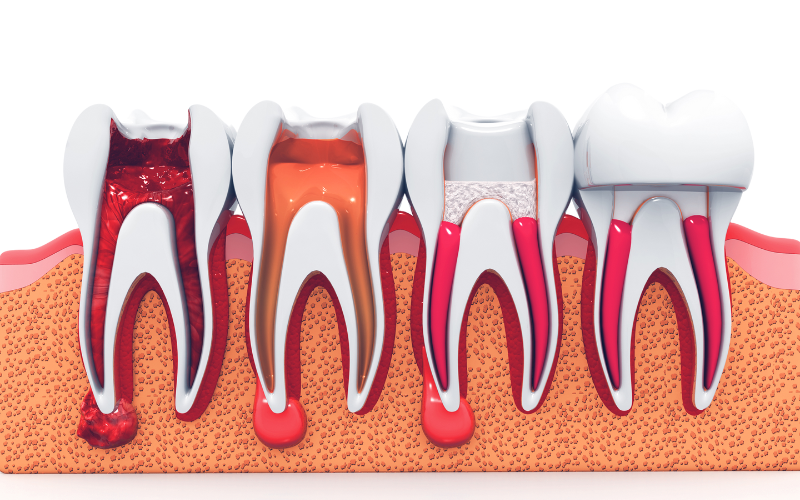
A root canal may be considered when the pulp of a tooth has become irreversibly inflamed or infected. Some symptoms that may require a dental examination include:
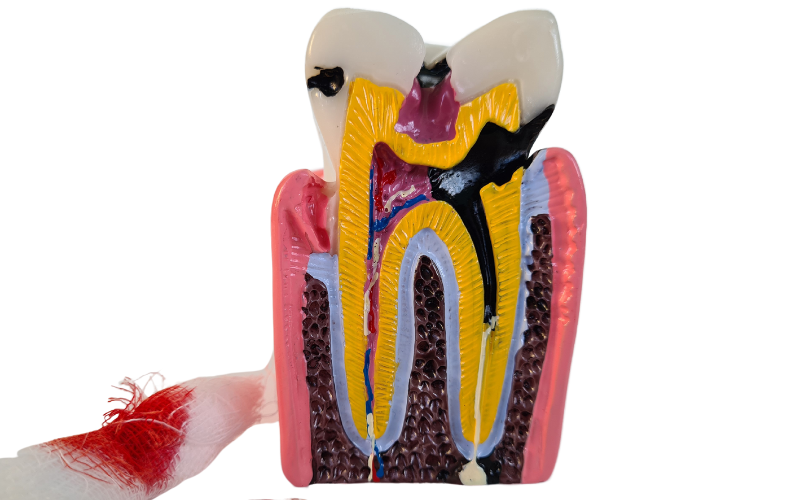
Dr. Shikha Sinha evaluates different dental conditions that may affect the pulp of a tooth. Depending on the condition and whether the tooth can be restored, root canal treatment may be considered.
A cavity that remains untreated can gradually progress deeper into the tooth. If the decay reaches the pulp, it can cause inflammation or infection. In such cases, root canal treatment may help treat the affected pulp and preserve the remaining natural tooth structure when possible.
A bacterial infection inside the tooth can lead to persistent pain, swelling, tenderness, or an abscess. Root canal treatment involves cleaning the infected root canal system and sealing the tooth.
A toothache that continues or repeatedly returns should not be ignored. Persistent pain may have several causes, including pulp inflammation or infection. A dental examination can help determine whether root canal treatment in Punawale is appropriate or whether another treatment is required.
Temporary sensitivity can occur for different reasons. However, sensitivity that continues for some time after the hot or cold stimulus has been removed may require further evaluation.
Pain when biting or chewing may be associated with decay, pulp inflammation, infection, cracks, or other dental problems. The affected tooth should be examined before deciding on treatment.
An abscess can develop when a dental infection spreads from the inside of a tooth into the surrounding tissues. Depending on the source of infection and the condition of the tooth, root canal treatment may be one of the treatment options.
A crack or significant injury can allow bacteria to reach the inner part of the tooth. If the pulp becomes damaged or infected, root canal treatment may be considered.
A tooth that has been injured in an accident, fall, or other incident may develop pulp problems even when there is no obvious external damage. An examination can help determine whether further treatment is needed.
Sometimes a tooth that has already received root canal treatment can develop symptoms again. The cause needs to be evaluated carefully to determine whether retreatment or another procedure is appropriate.
Front teeth may require treatment because of deep decay, infection, or dental trauma. The treatment approach is based on the condition of the individual tooth.
Premolars can develop pulp inflammation or infection due to decay, cracks, or other dental problems. After examination, appropriate treatment can be planned.
Molars can sometimes have more complex root and canal anatomy. When a molar develops significant pulp infection or inflammation, careful examination and treatment planning are important.
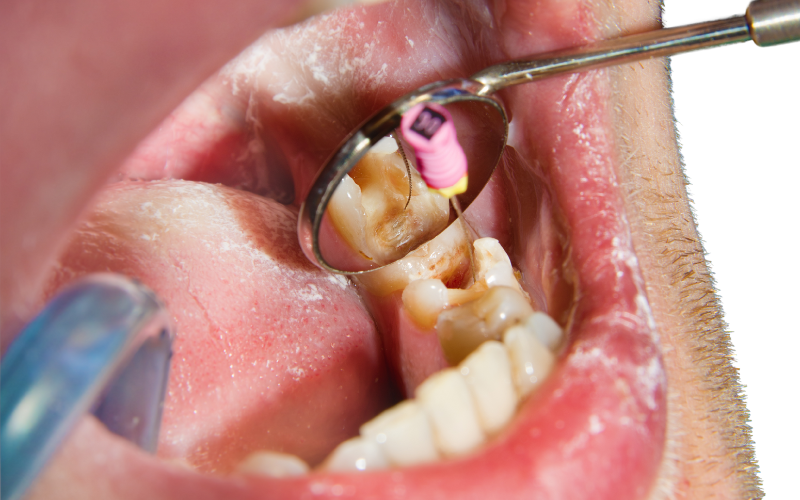
The treatment process can vary depending on the tooth and the extent of the problem. In general, root canal treatment involves the following steps:
Dr. Shikha Sinha examines the affected tooth and discusses your symptoms and dental history. Dental imaging may be recommended when necessary.
Local anaesthesia is used to numb the treatment area and help make the procedure comfortable.
A small opening is made in the tooth to reach the affected pulp and root canal system.
The infected or inflamed pulp is carefully removed from inside the tooth.
The root canals are cleaned and prepared to remove bacteria, infected tissue, and debris.
After cleaning, the canals are filled and sealed to help prevent bacteria from entering again.
Depending on the amount of remaining tooth structure, a filling or dental crown may be recommended to restore the tooth's strength and function.
The fear of pain is one of the main reasons some people delay dental treatment. With appropriate local anaesthesia and modern dental techniques, root canal treatment is generally performed with a focus on patient comfort. Some tenderness or sensitivity may occur after treatment and can vary from person to person. If you are nervous about dental treatment, let Dr. Shikha Sinha know about your concerns during the consultation. Understanding what will happen during the procedure can make the experience easier.
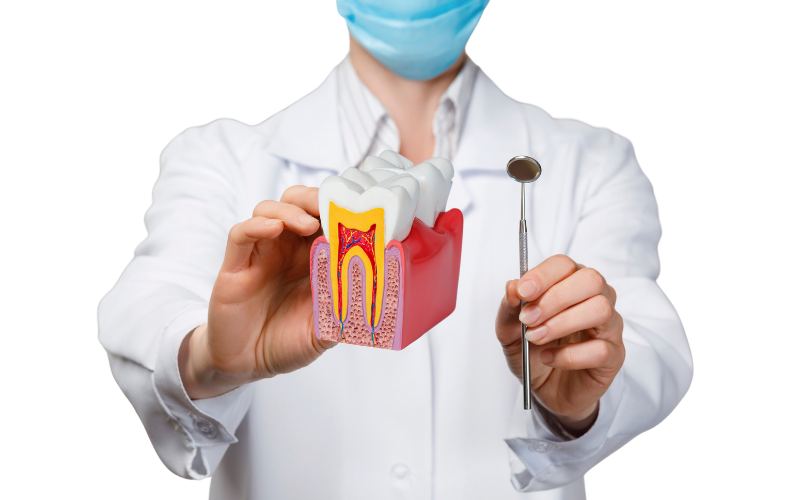
When a natural tooth can be safely restored, preserving it can help maintain normal chewing and the existing arrangement of the teeth. Root canal treatment can provide an option for treating an infected or damaged tooth without removing the entire tooth. However, whether a tooth can be saved depends on factors such as the amount of remaining tooth structure, the extent of damage, and the overall condition of the tooth. Dr. Shikha Sinha can assess the tooth and explain the available treatment options.
At Surgident The Dentist Clinic, treatment begins with understanding the patient's problem rather than immediately recommending a particular procedure. Dr. Shikha Sinha examines the affected tooth, considers the symptoms, and explains the available options. Where appropriate, treatment is planned to address the dental problem while preserving the natural tooth.
Taking care of the treated tooth is an important part of successful dental treatment. Your dentist may recommend:
When a tooth is badly damaged or infected, patients often ask whether it should be saved or removed. If a tooth is considered restorable, root canal treatment may be an option for preserving it. However, some teeth may be too severely damaged to restore and extraction may be recommended. The decision depends on the individual tooth. A dental examination is necessary to determine which treatment is appropriate.
In some cases, a tooth that has already undergone root canal treatment can develop problems again. This may happen because of new decay, leakage around a restoration, untreated or complex canal anatomy, or other factors. Such a tooth requires careful evaluation before deciding on further treatment. Depending on the findings, retreatment, another procedure, or specialist endodontic care may be considered.
Surgident The Dentist Clinic is located at Theia Business Park, Kate Wasti, Punawale, making it convenient for patients living in and around Punawale to visit the clinic for dental consultations and root canal treatment. Patients from nearby areas of Punawale can consider visiting Dr. Shikha Sinha for an examination if they are experiencing tooth pain, sensitivity, swelling, deep decay, or other dental concerns.
Whether you live in Kate Wasti, Punawale Gaon, Pandhare Wasti, Malwadi, Punawale Main Road, or a nearby residential society, you can visit Surgident The Dentist Clinic for an assessment of your dental problem. If you have persistent tooth pain or other symptoms that may require root canal treatment, Dr. Shikha Sinha can examine the affected tooth and explain the treatment options suitable for your condition.
Persistent tooth pain, prolonged sensitivity, swelling, pain while chewing, deep decay, or signs of infection may require a dental examination. A dentist can determine whether root canal treatment is appropriate after evaluating the tooth.
The time required varies depending on the tooth, the number and shape of the canals, the extent of infection, and the treatment required. Dr. Shikha Sinha can explain the expected treatment process after examining your tooth.
When the tooth is suitable for restoration, root canal treatment can help treat the infection while preserving the natural tooth.
A crown may be recommended depending on the tooth and the amount of remaining tooth structure. Your dentist will assess the tooth and discuss the appropriate restoration.
Children can develop problems involving the pulp of their teeth. The appropriate treatment depends on the child's age, the tooth involved, its development, and the nature of the dental problem.
If an infected or severely inflamed tooth is left untreated, the problem may worsen and can potentially affect surrounding tissues. If you have persistent symptoms, getting the tooth examined can help determine the appropriate treatment.
No. The suitability of root canal treatment depends on the condition and restorability of the tooth. Some complex cases may require additional specialist assessment.
Choosing a dentist is an important decision, particularly when you are experiencing pain or require a procedure such as root canal treatment. Dr. Shikha Sinha is a qualified Dental Surgeon with more than 12 years of experience. She focuses on understanding the patient's dental concerns, explaining treatment options clearly, and planning care according to the condition of the tooth. At Surgident The Dentist Clinic, patients receive dental care in a clean and comfortable clinical environment with attention to individual needs.
If you have ongoing tooth pain, sensitivity, swelling, or discomfort while chewing, getting the tooth examined can help you understand what is causing the problem. For root canal treatment in Punawale, you can visit: Surgident The Dentist Clinic Office No. 308, Theia Business Park, Kate Wasti, Punawale, Pimpri-Chinchwad, Maharashtra 411033 Dr. Shikha Sinha – Dental Surgeon Phone: +91 87675 41406 Email: shikhasinha2890@gmail.com Clinic Hours: Monday–Sunday, 9:00 AM–9:00 PM Contact the clinic to schedule a dental consultation and discuss your symptoms and treatment options.