1. Dental Examination
The dentist examines the wisdom tooth, surrounding gums and nearby teeth. Your symptoms and dental history are also considered.
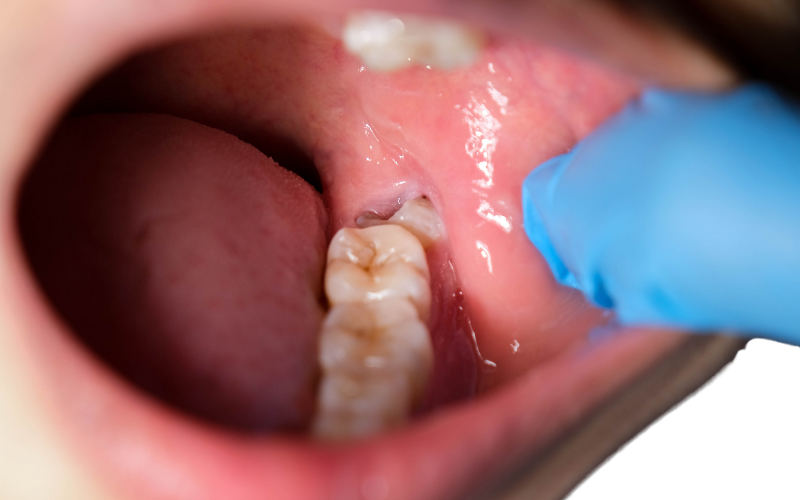
Wisdom teeth are the last molars to develop, usually appearing between the ages of 17 and 25. They may grow normally without causing problems, but some wisdom teeth become impacted, grow at an angle, or do not have enough space to erupt properly.
Wisdom Tooth Removal in Punawale may be recommended when a wisdom tooth causes pain, swelling, repeated infection, gum problems, tooth damage, or difficulty maintaining oral hygiene. At Surgident Dental Clinic, Dr. Shikha Sinha evaluates the position and condition of the wisdom tooth before recommending extraction.
Wisdom teeth are the third set of molars located at the back of the mouth. Most people develop up to four wisdom teeth, although the number and position can vary.
When there is enough space for a wisdom tooth to develop properly, it may not require removal. However, a tooth that remains partially or completely trapped under the gum may become impacted and cause dental problems.
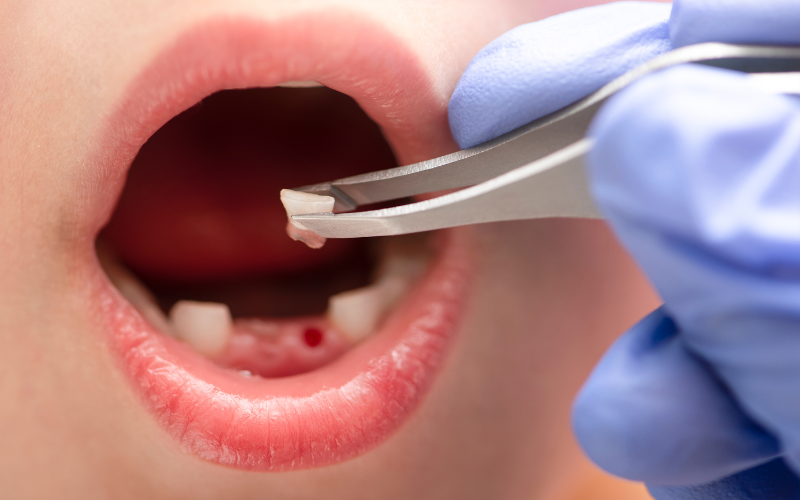
A wisdom tooth may need to be removed when it is causing symptoms or creating a risk to surrounding teeth and gums.
Common reasons include:
If you are experiencing persistent wisdom tooth pain treatment concerns, a dental examination can help determine the cause.
An impacted wisdom tooth does not always cause symptoms immediately. Some people may only discover the problem during a routine dental examination or X-ray.
Possible signs include:
An X-ray can help the dentist understand the position of the tooth and whether Impacted Wisdom Tooth Removal in Punawale may be appropriate.
The exact procedure depends on whether the wisdom tooth has erupted normally or is impacted.
The dentist examines the wisdom tooth, surrounding gums and nearby teeth. Your symptoms and dental history are also considered.
An X-ray may be recommended to assess the tooth's position, roots, surrounding bone and relationship with nearby structures.
Based on the examination and X-ray findings, the dentist explains whether monitoring, treatment or Wisdom Tooth Extraction in Punawale is appropriate.
Local anaesthesia is commonly used to numb the treatment area. Depending on the complexity of the procedure and clinical requirements, other forms of anaesthesia may be considered.
You should not normally feel sharp pain during the extraction after the area has been adequately numbed, although pressure or movement may be felt.
For a straightforward extraction, the tooth can be carefully removed from its socket. An impacted wisdom tooth may require a surgical approach, which can involve making a small opening in the gum and removing the tooth in sections if necessary.
Stitches may be placed when required. You will receive instructions about protecting the extraction site, eating, cleaning your mouth and managing the recovery period.
Some wisdom teeth are positioned below the gum or have limited space to erupt. These cases may require surgical wisdom tooth extraction rather than a simple extraction.
The approach depends on factors such as:
The dentist will explain the procedure and expected recovery based on your individual case.
Wisdom tooth removal is performed after the treatment area has been appropriately numbed. During the procedure, you may experience pressure or movement, but sharp pain should be addressed with adequate anaesthesia.
Some soreness, swelling or discomfort can occur after the procedure. The level of discomfort varies depending on the tooth position and complexity of the extraction.
Following the dentist's wisdom tooth removal aftercare instructions can support recovery.
Proper aftercare is important for protecting the extraction site and supporting healing.
Avoid unnecessarily touching or disturbing the extraction site with your fingers or tongue.
If gauze is provided, follow your dentist's instructions regarding its use and replacement.
Soft foods may be easier to eat during the initial recovery period. Gradually return to your normal diet as advised.
Continue brushing and maintaining oral hygiene while taking care around the extraction area. Follow any specific cleaning instructions provided by your dentist.
Smoking and tobacco can interfere with healing and may increase the risk of complications. Avoid them during the recovery period as advised.
If a follow-up appointment is recommended, attend it so the healing process can be assessed.
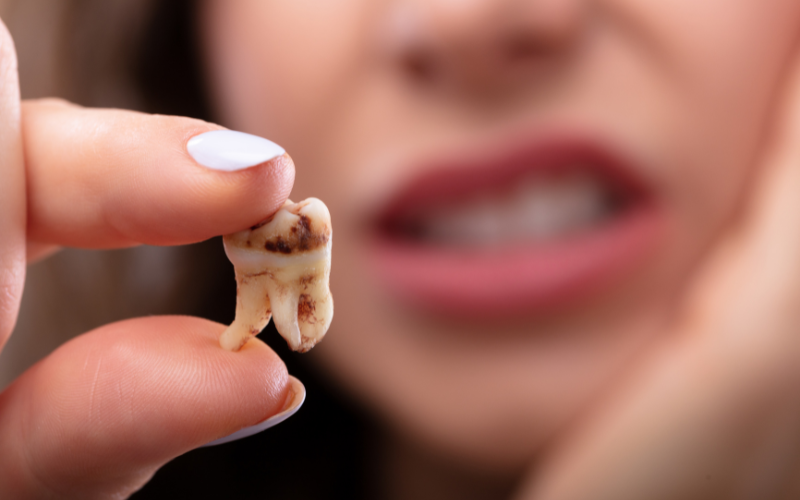
Recovery varies from person to person. A straightforward extraction may have a shorter recovery period, while surgical removal of an impacted wisdom tooth may require more time.
Swelling and soreness are commonly more noticeable during the first few days and generally improve as healing progresses.
Your dentist can provide more specific guidance based on the complexity of your wisdom teeth removal treatment.
After wisdom tooth removal, your dentist may recommend avoiding activities that could disturb the extraction site.
These may include:
Always follow the personalised instructions provided after your procedure.
Some discomfort and swelling can be expected after extraction. However, contact your dentist if you experience unusual or worsening symptoms such as:
Prompt dental assessment can help identify and manage possible complications.
A poorly positioned wisdom tooth may place pressure on nearby teeth or make the area difficult to clean. Food and bacteria can become trapped around a partially erupted tooth, potentially contributing to decay or gum problems.
However, not every wisdom tooth needs to be removed. The decision should be based on its position, symptoms, oral health and clinical examination.
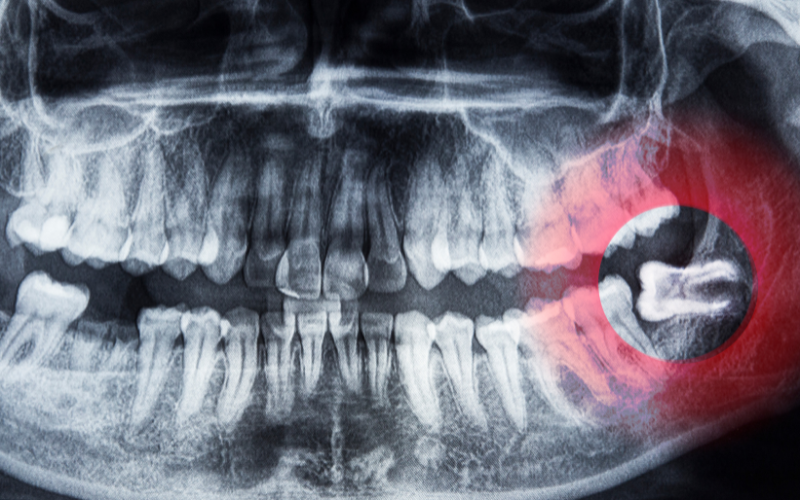
An impacted wisdom tooth is one that does not fully erupt into the mouth because of limited space, an unusual angle or another obstruction.
Impacted Wisdom Tooth Removal in Punawale may be recommended when the tooth causes recurrent infection, pain, damage to nearby teeth or other dental complications.
An X-ray is often important for evaluating an impacted tooth before treatment.
Not every wisdom tooth requires extraction.
If a wisdom tooth is healthy, properly positioned, functional and easy to clean, your dentist may recommend monitoring it during routine dental visits.
Removal may be considered when there is a clear clinical reason, such as infection, damage, significant symptoms or an increased risk of dental complications.
Dr. Shikha Sinha evaluates the wisdom tooth and surrounding oral structures before recommending treatment.
The treatment approach is selected according to the tooth's position, condition and complexity.
Appropriate anaesthesia and careful treatment techniques are used to make the procedure as comfortable as reasonably possible.
Patients receive instructions about caring for the extraction site and supporting recovery after treatment.
Surgident Dental Clinic also provides services including root canal treatment, dental implants, teeth whitening, pediatric dentistry, dentures and other dental treatments.
A problematic wisdom tooth can affect your comfort and make it harder to maintain oral hygiene at the back of your mouth. Early dental evaluation can help determine whether the tooth should be monitored or removed.
If you have wisdom tooth pain, swelling, recurring infection or an impacted tooth, consult a dentist for an appropriate assessment rather than delaying treatment.
Wisdom teeth commonly begin to emerge during the late teenage years or early adulthood, often between 17 and 25 years of age. However, development and eruption vary between individuals.
No. A healthy wisdom tooth that is properly positioned, functional and easy to clean may not require removal. Your dentist can determine whether monitoring or extraction is appropriate.
Pain, swelling, recurring infection, difficulty opening the mouth or food getting trapped may indicate an impacted tooth. An X-ray is generally needed to determine the exact position of the wisdom tooth.
The duration depends on whether the tooth has erupted normally or is impacted. A simple extraction may be relatively straightforward, while surgical removal can take longer.
Soft foods are generally easier to manage during the initial recovery period. Your dentist can recommend suitable foods based on your procedure and healing.
Recovery varies depending on the complexity of the extraction and individual healing. Your dentist will explain what to expect and provide personalised aftercare instructions.
Yes. Patients looking for wisdom tooth extraction near me can visit Surgident Dental Clinic at Theia Business Park, Kate Wasti, Punawale, Pimpri-Chinchwad.
If you are experiencing wisdom tooth pain, swelling, repeated infection or difficulty with a partially erupted tooth, schedule a dental consultation at Surgident Dental Clinic.
Surgident Dental Clinic Office No. 308, Theia Business Park, Kate Wasti, Punawale, Pimpri-Chinchwad, Maharashtra 411033
Phone: +91 87675 41406 Hours: Monday–Sunday, 10 AM–9 PM