Simple Tooth Extraction
A simple extraction is generally performed when the tooth is visible and accessible in the mouth. Local anaesthesia is used, and specialised dental instruments are used to loosen and remove the tooth.
A damaged or infected tooth is not always required to be removed. When a tooth cannot be predictably restored with treatments such as a filling or root canal, Tooth Extraction in Punawale may be recommended to protect your oral health. At Surgident Dental Clinic, the tooth and surrounding tissues are examined before extraction so that the most appropriate treatment can be planned.
Tooth extraction is a dental procedure used to remove a tooth from its socket when it cannot be adequately restored or when removal is recommended for another dental reason.
Depending on the condition and position of the tooth, extraction may be straightforward or may require a surgical approach. Your dentist will explain the procedure after examining the tooth and reviewing any necessary X-rays.
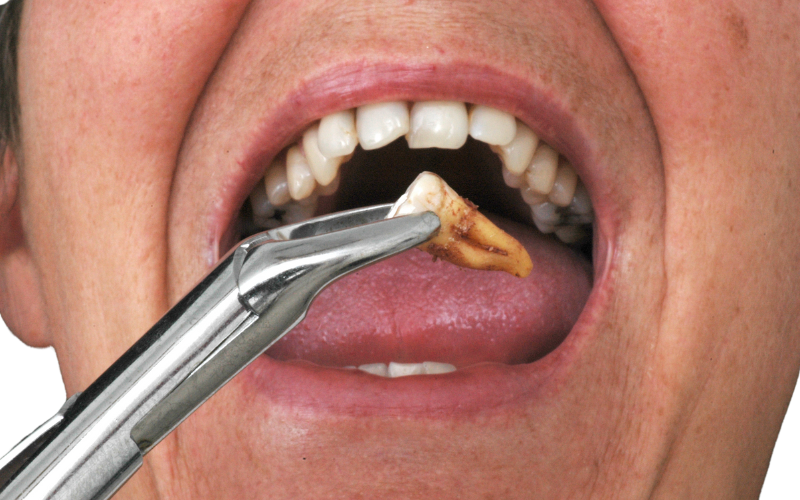
A Tooth Extraction Dentist in Punawale may recommend removal when a tooth has:
Whenever possible, preserving a natural tooth may be considered. Extraction is generally recommended when the tooth cannot be predictably saved or when removal is necessary for the overall treatment plan.
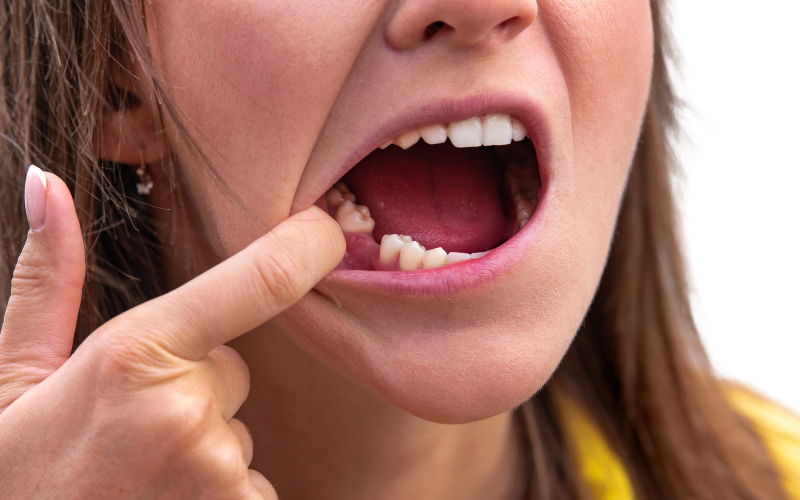
In some cases, yes. Depending on the condition of the tooth, treatments such as fillings, crowns or root canal treatment may be possible.
The decision depends on factors such as:
Your dentist can assess whether saving the tooth is realistic before recommending Tooth Removal in Punawale.
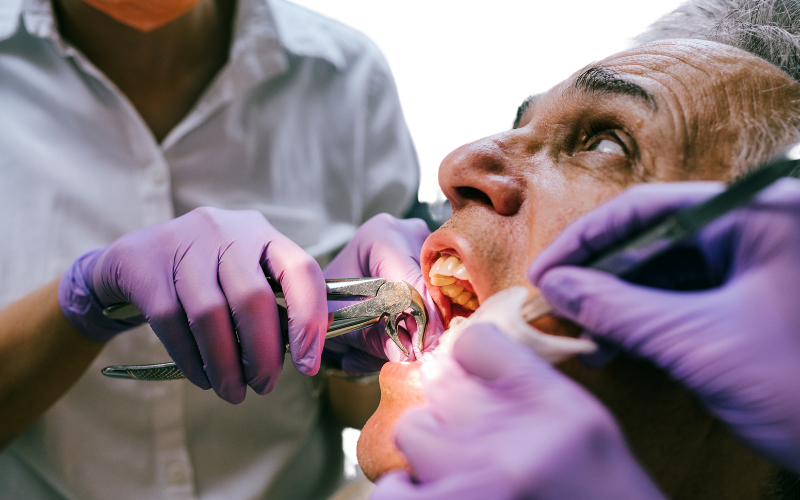
A simple extraction is generally performed when the tooth is visible and accessible in the mouth. Local anaesthesia is used, and specialised dental instruments are used to loosen and remove the tooth.
A surgical extraction may be required when a tooth is difficult to access, broken below the gum line, impacted or otherwise complicated to remove.
The exact approach depends on the tooth's position and surrounding structures.
When extensive decay has destroyed too much of the tooth for predictable restoration, extraction may be considered.
An infected tooth may sometimes be treated with root canal treatment. If the tooth cannot be adequately restored or treated, removal may be recommended.
A severely fractured tooth may not always be repairable. Your dentist will determine whether restoration is possible before considering extraction.
In selected orthodontic treatment plans, extraction may be required to create sufficient space for tooth alignment.
Advanced periodontal disease can weaken the tissues and bone supporting a tooth. If a tooth has become severely compromised, removal may be recommended.
The Tooth Extraction Treatment in Punawale process generally includes the following steps:
Your dentist examines the affected tooth, gums and surrounding area. An X-ray may be recommended to understand the tooth's roots and surrounding bone.
Before extraction, your dentist considers whether the tooth can be saved and discusses suitable treatment options.
Local anaesthesia is generally used to numb the area before the extraction. This helps minimise discomfort during the procedure.
The dentist carefully loosens and removes the tooth using an appropriate technique. The method depends on whether it is a simple or surgical extraction.
After the tooth is removed, the area is managed appropriately and instructions are provided to support healing.
You will receive guidance on protecting the extraction site, eating, oral hygiene and activities during the initial healing period.
With local anaesthesia, you should not feel sharp pain during a routine extraction, although you may feel pressure or movement.
Some soreness, swelling or tenderness can occur after the anaesthesia wears off. The level of discomfort varies depending on the tooth, type of extraction and individual healing.
Your dentist will provide appropriate aftercare and medication guidance when needed.
Following the instructions provided by your dentist is important after extraction.
Avoid disturbing the area with your tongue, fingers or objects.
If gauze is provided, use it according to your dentist's instructions to help control initial bleeding.
Soft foods may be easier to eat during the initial recovery period. Gradually return to your normal diet as advised.
Smoking can interfere with healing and increase the risk of complications. Avoid it during the healing period as advised by your dentist.
Continue cleaning your mouth while being careful around the extraction site. Follow your dentist's specific instructions regarding brushing near the area.
A follow-up may be recommended depending on the type of extraction and your individual condition.

During the initial healing period, your dentist may advise you to avoid:
Follow the specific instructions provided for your extraction.
Healing varies depending on the tooth, extraction type, overall health and individual healing response.
The initial soft-tissue healing occurs over the first several days and continues over the following weeks. Deeper bone healing takes longer.
Your dentist can provide a more specific expectation based on the tooth that has been removed and the type of extraction performed.
Some discomfort and swelling can be expected after extraction. However, contact your dentist if you experience symptoms that concern you, such as:
Prompt evaluation can help identify and manage complications.
A missing tooth can affect chewing and may allow neighbouring teeth to shift over time. Depending on your situation, your dentist may discuss tooth replacement options after the extraction site has healed or when clinically appropriate.
Possible options can include:
Dental implants may be considered for replacing a missing tooth or multiple missing teeth, depending on your oral health and bone condition.
A dental bridge may be an option for replacing a missing tooth by using neighbouring teeth or other suitable support.
Partial dentures can replace one or more missing teeth and may be considered based on your individual dental needs.
The appropriate replacement option depends on the number of missing teeth, oral health, bone condition and treatment goals.
Wisdom teeth may sometimes require removal when they are impacted, repeatedly infected, difficult to clean or causing other dental problems.
Because wisdom teeth can have different positions and root shapes, an examination and appropriate imaging are important before treatment.
Severe dental pain, swelling, trauma or a badly damaged tooth may require prompt dental assessment. However, not every dental emergency requires immediate extraction.
A dentist should first determine the cause of the problem and whether the tooth can be treated or needs to be removed.
If you have sudden severe dental pain, facial swelling, uncontrolled bleeding or a dental injury, seek prompt dental care.
At Surgident Dental Clinic, extraction is approached as part of an overall dental treatment plan rather than simply removing a tooth.
The affected tooth and surrounding tissues are examined before treatment.
If the tooth can potentially be preserved, suitable alternatives may be discussed before extraction.
Local anaesthesia and appropriate clinical techniques are used to help make the procedure as comfortable as possible.
You receive instructions to help protect the extraction site and support recovery.
If you have a severely damaged, decayed, infected or problematic tooth, do not assume that extraction is the only option. A dental examination can determine whether the tooth can be restored or whether removal is appropriate.
If extraction is necessary, understanding the procedure and aftercare can help you prepare for treatment and recovery.
Extraction may be recommended when a tooth is severely damaged, infected, fractured or otherwise cannot be predictably restored. Your dentist will assess the tooth before making a recommendation.
Yes, an infected tooth may need to be removed when it cannot be adequately treated or restored. In other cases, root canal treatment may be considered to save the natural tooth.
The procedure time varies depending on the tooth and whether the extraction is simple or surgical. Your dentist can provide an expected treatment time after examination.
Soft foods are generally easier to eat during the initial recovery period. Your dentist will provide specific dietary instructions based on your extraction.
Some soreness is common after extraction. The duration and intensity vary depending on the procedure and individual healing. If pain becomes severe or progressively worse, contact your dentist.
Yes. Depending on your dental condition, options such as dental implants, bridges or partial dentures may be considered.
If you have a painful, broken, severely decayed or problematic tooth, schedule a dental examination to understand whether Tooth Extraction in Punawale or a tooth-saving treatment is appropriate for you.
Surgident Dental Clinic
Office No. 308, Theia Business Park, Kate Wasti, Punawale, Pimpri-Chinchwad, Maharashtra 411033
Hours: Monday–Sunday, 10 AM–9 PM